 Best Seller
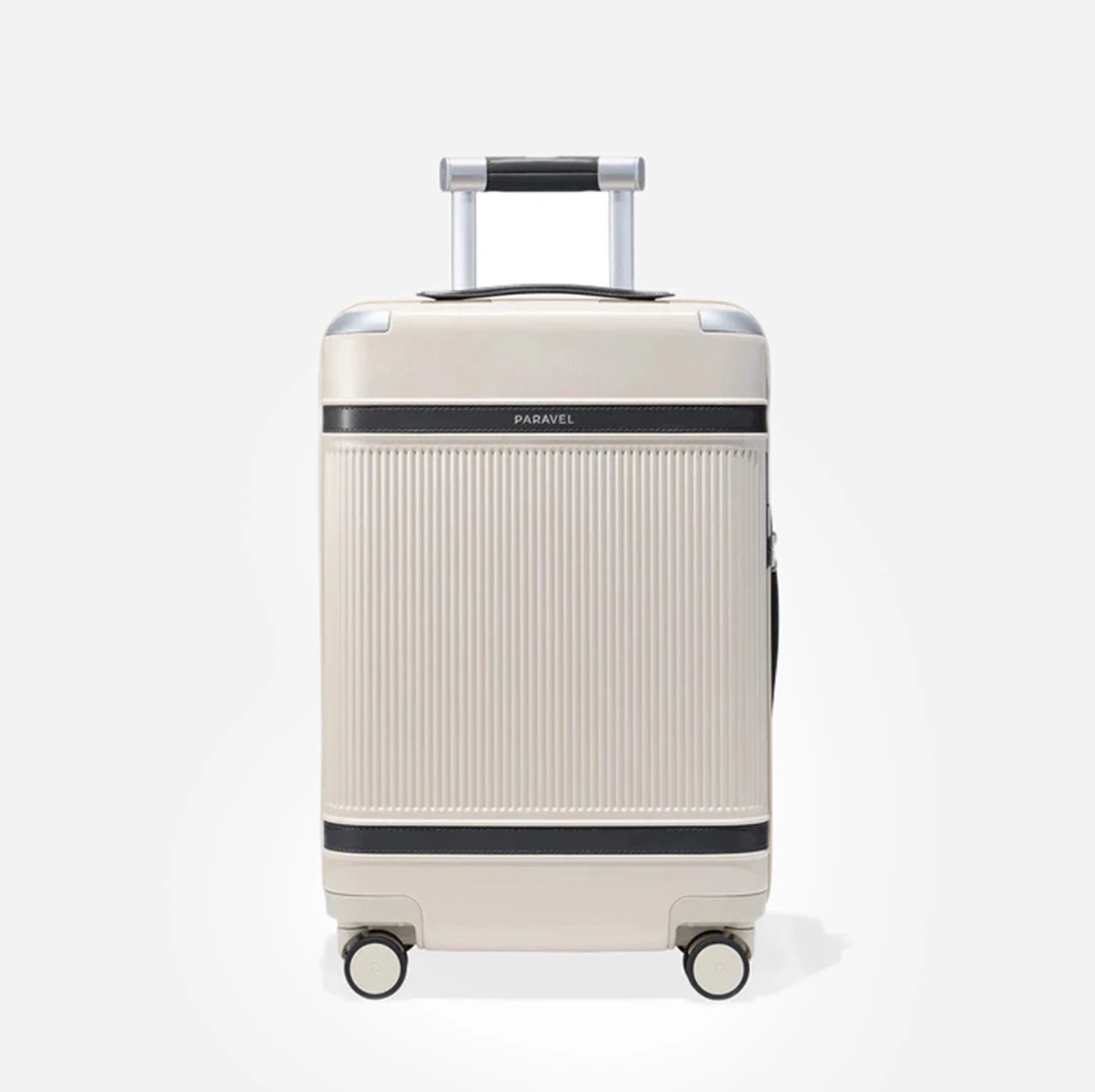
Aviator Carry-On
Recycled Polycarbonate Shell
$395

Understanding the innovative sustainable materials and premium construction that make Paravel products exceptional.
What makes a suitcase sustainable? It's a question that goes far beyond slapping an eco-friendly label on packaging or using a marginally greener material in one component. True sustainability requires rethinking the entire product from the ground up: every material, every process, every component must be evaluated and optimized for environmental responsibility without compromising performance.
Paravel has undertaken this comprehensive approach, developing a materials palette that demonstrates how recycled and upcycled materials can meet and exceed the performance standards of conventional alternatives. This guide explores each major material category, explaining what they are, how they're made, and why they matter.
Understanding these materials helps appreciate why Paravel products cost what they do and perform as well as they do. It also empowers consumers to make informed choices and recognize genuine sustainability versus marketing claims that don't hold up to scrutiny.
The hard shell of Paravel's Aviator luggage collection is made from recycled polycarbonate. This material represents one of the most significant innovations in sustainable luggage, offering the durability and lightweight properties travelers expect while dramatically reducing environmental impact.
Polycarbonate is a type of thermoplastic that has become the gold standard for premium hard-sided luggage. It offers an exceptional combination of properties: lightweight yet strong, impact-resistant yet flexible, able to absorb energy without cracking. These characteristics make it ideal for protecting your belongings while keeping overall luggage weight manageable.
Traditional polycarbonate is derived from petroleum through an energy-intensive manufacturing process. The production of virgin polycarbonate contributes to fossil fuel depletion and generates significant carbon emissions. This is where recycled polycarbonate offers a compelling alternative.
Paravel sources post-industrial polycarbonate waste - scraps and remnants from manufacturing processes that would otherwise be discarded. This material undergoes a sophisticated recycling process that transforms it into pellets suitable for luggage manufacturing.
The recycling process involves cleaning the waste material, melting it down, and reforming it into consistent pellets. Quality control is crucial at every step to ensure the recycled material matches virgin polycarbonate in performance characteristics. The pellets are then molded into luggage shells using the same techniques as conventional manufacturing.
Recycled polycarbonate, when properly processed, is functionally identical to virgin material. It offers the same impact resistance, flexibility, and durability. The shells flex under pressure, absorbing impacts rather than cracking, which protects contents during rough handling.
The material is also lightweight, which matters for travelers concerned about weight limits and ease of handling. A Paravel Aviator Carry-On weighs approximately 7.7 pounds - competitive with or lighter than comparable conventional luggage.
Using recycled polycarbonate offers multiple environmental benefits. It diverts waste from landfills, reduces demand for virgin petroleum-based materials, and requires less energy to process than creating new polycarbonate from scratch. The cumulative impact across thousands of products represents significant resource savings and emission reductions.
Perhaps the most innovative material in Paravel's palette is the fabric used for interior linings, made from upcycled plastic water bottles. This transformation of post-consumer waste into premium fabric demonstrates the potential of circular economy thinking.
The journey from discarded water bottle to elegant luggage lining involves several sophisticated steps. Bottles are collected, sorted, cleaned, and shredded into small flakes. These flakes are melted and extruded into fine fibers, which are then spun into thread. The thread is woven into fabric suitable for luggage linings.
Each Aviator Carry-On interior contains approximately 11 upcycled water bottles. Larger pieces like the Aviator Grand use even more. Across Paravel's entire product line, this adds up to millions of bottles transformed from pollution into useful products.
The resulting fabric isn't a compromise - it's genuinely premium material. The polyester fibers derived from water bottles can be processed to achieve softness, color consistency, and durability that match or exceed conventional polyester fabrics. The weave can be adjusted to achieve different textures and weights for various applications.
For luggage linings, the fabric needs to resist abrasion, clean easily, and maintain its appearance over years of use. Upcycled water bottle fabric meets all these requirements while offering the additional benefit of being made from materials that would otherwise contribute to environmental pollution.
Using upcycled water bottle fabric addresses the global plastic pollution crisis in a practical way. Billions of plastic bottles are produced annually, and despite recycling efforts, many end up in landfills, oceans, or as litter. By creating market demand for post-consumer bottles, brands like Paravel incentivize collection and processing that keeps these materials out of the waste stream.
Zippers might seem like minor components, but they're critical to luggage function and durability. A zipper failure can render a bag useless, and poor-quality zippers are a common source of luggage complaints. Paravel addresses this by partnering with YKK, the world's leading zipper manufacturer, to incorporate recycled zippers.
YKK is known for rigorous quality standards that have made their zippers the choice of premium brands across industries. Their zippers undergo extensive testing for durability, smooth operation, and resistance to corrosion and wear. The same standards apply to their recycled zipper lines.
YKK's recycled zippers incorporate recycled materials in the zipper tape, the slider, and other components. The recycling process ensures that performance isn't compromised - the zippers operate as smoothly and reliably as their conventional counterparts while incorporating post-consumer and post-industrial waste.
On a Paravel bag, zippers need to work flawlessly thousands of times over the product's lifetime. They need to remain smooth even when the bag is stuffed to capacity. They need to resist corrosion from moisture and humidity encountered during travel. YKK recycled zippers deliver on all these requirements.
Beyond the major material categories, Paravel pays attention to every component that goes into their products. Hardware, handles, wheels, and other elements are selected and sourced with sustainability and durability in mind.
The Aviator collection features 360-degree spinner wheels manufactured to precise tolerances. These Japanese-made wheels use high-quality bearings and durable rubber compounds that resist wear and maintain smooth operation. While not made from recycled materials, they're designed for exceptional longevity, reducing the need for replacement.
Telescoping handles are another critical component that often fails in cheap luggage. Paravel uses multi-stage handles with reinforced housing and locking mechanisms designed to withstand years of extension and retraction. The handles incorporate aluminum and other metals selected for durability and weight optimization.
All Aviator luggage includes integrated TSA-approved combination locks. These allow security screening without damage while providing peace of mind for travelers. The locks are designed for reliability and ease of use, with mechanisms that remain functional over years of travel.
Paravel's bags and accessories use different materials optimized for their specific applications. These products also reflect the brand's commitment to sustainability and quality.
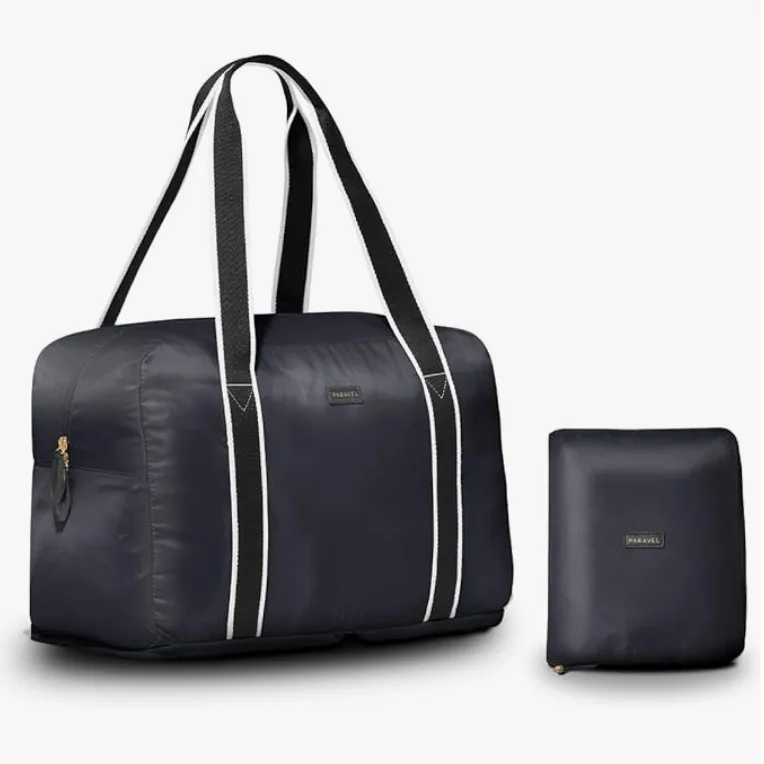
The popular Fold-Up Weekender and other packable bags use lightweight, durable fabrics that compress efficiently while providing adequate strength when expanded. These fabrics incorporate recycled content where possible while meeting the specific requirements of packable design: lightweight, compressible, yet strong enough to carry loads when deployed.
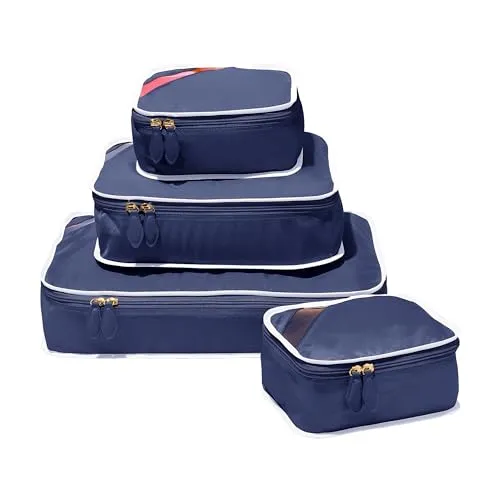
Paravel's packing cubes use mesh and fabric combinations that balance visibility, durability, and sustainability. The mesh allows travelers to see contents at a glance, while solid fabric sections provide structure and protection. Materials are selected for their ability to withstand repeated packing and unpacking while maintaining their shape and appearance.
Even the best materials are only as good as the craftsmanship that transforms them into finished products. Paravel maintains rigorous quality standards throughout the manufacturing process, ensuring that every product meets expectations.
Paravel's design process begins with understanding how travelers actually use their products. The team studies real-world behavior, identifies pain points, and develops solutions that address genuine needs. Every feature is questioned: Is it necessary? Does it add value? Could it be done better?
This user-centered approach results in products that feel intuitive to use. Details like the wet pocket in Aviator luggage or the compression straps that keep contents secure demonstrate attention to the practical realities of travel.
Every Paravel product undergoes quality inspection before shipping. Components are tested for proper function: zippers are cycled, wheels are spun, handles are extended and retracted. Visual inspection catches cosmetic defects that could mar the premium appearance customers expect.
This attention to quality means fewer returns, longer product life, and happier customers. It also means less waste, as products that work properly don't need to be replaced prematurely.
Paravel treats feedback as valuable data for improvement. Customer complaints about specific issues lead to design modifications. Observations about how products wear over time inform material selection for future versions. The brand is committed to getting better with each generation of products.
Understanding Paravel's materials helps consumers appreciate what they're getting and why it matters. The choices reflected in these materials have implications that extend far beyond individual purchases.
Every recycled material used is material diverted from waste streams. Every upcycled water bottle is a bottle not floating in the ocean or sitting in a landfill. These impacts multiply across thousands of products and millions of travelers.
Sustainable materials aren't cheap compromises - they're carefully selected and processed to meet premium standards. The result is products that compete with conventional luxury brands in durability and aesthetics while offering genuine environmental benefits.
By demonstrating that sustainable materials can work in demanding applications, Paravel encourages other brands to improve their own practices. The success of these products sends a market signal that consumers value sustainability, accelerating industry-wide change.
| Material | Used In | Sustainability Benefit |
|---|---|---|
| Recycled Polycarbonate | Aviator Luggage Shells | Diverts industrial plastic waste from landfills |
| Upcycled Water Bottle Fabric | Interior Linings | 11+ bottles per carry-on diverted from oceans |
| Recycled YKK Zippers | All Products | Recycled content with premium performance |
| Sustainable Fabrics | Bags & Accessories | Reduced virgin material use |
| Recyclable Packaging | All Shipments | Minimal waste, fully recyclable |
Products that showcase Paravel's innovative materials