 Best Seller
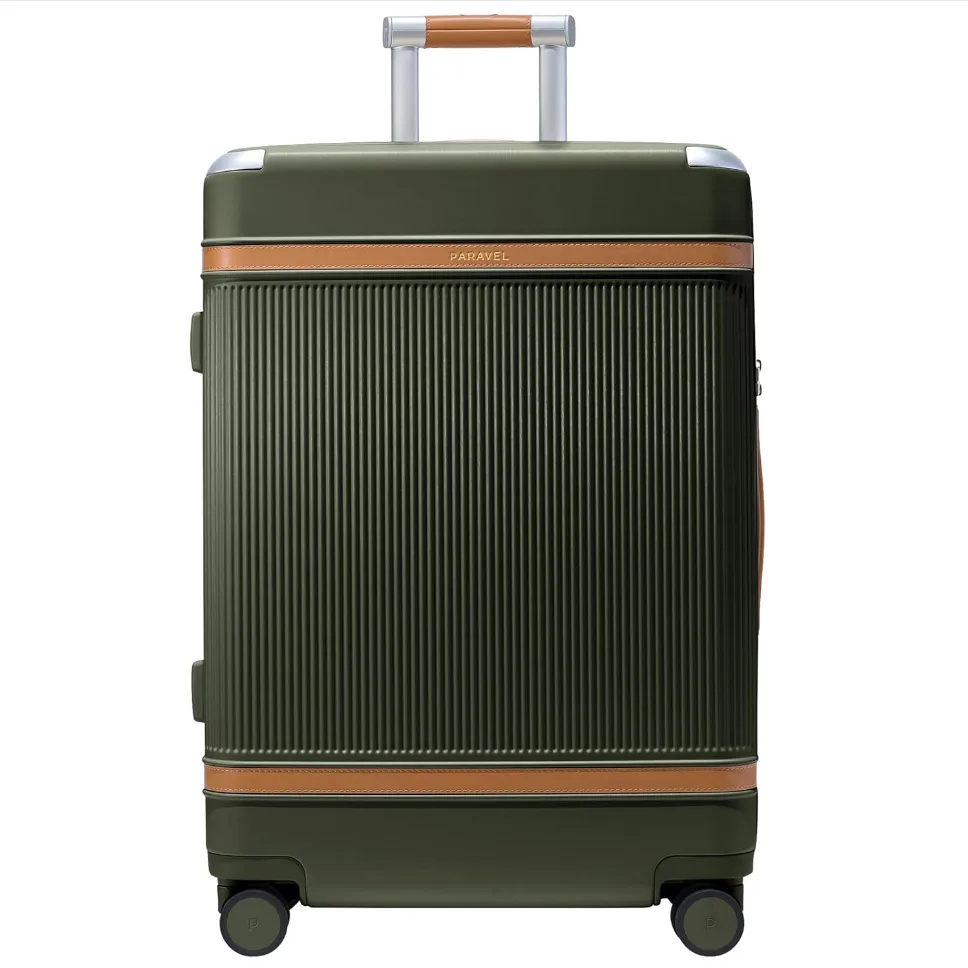
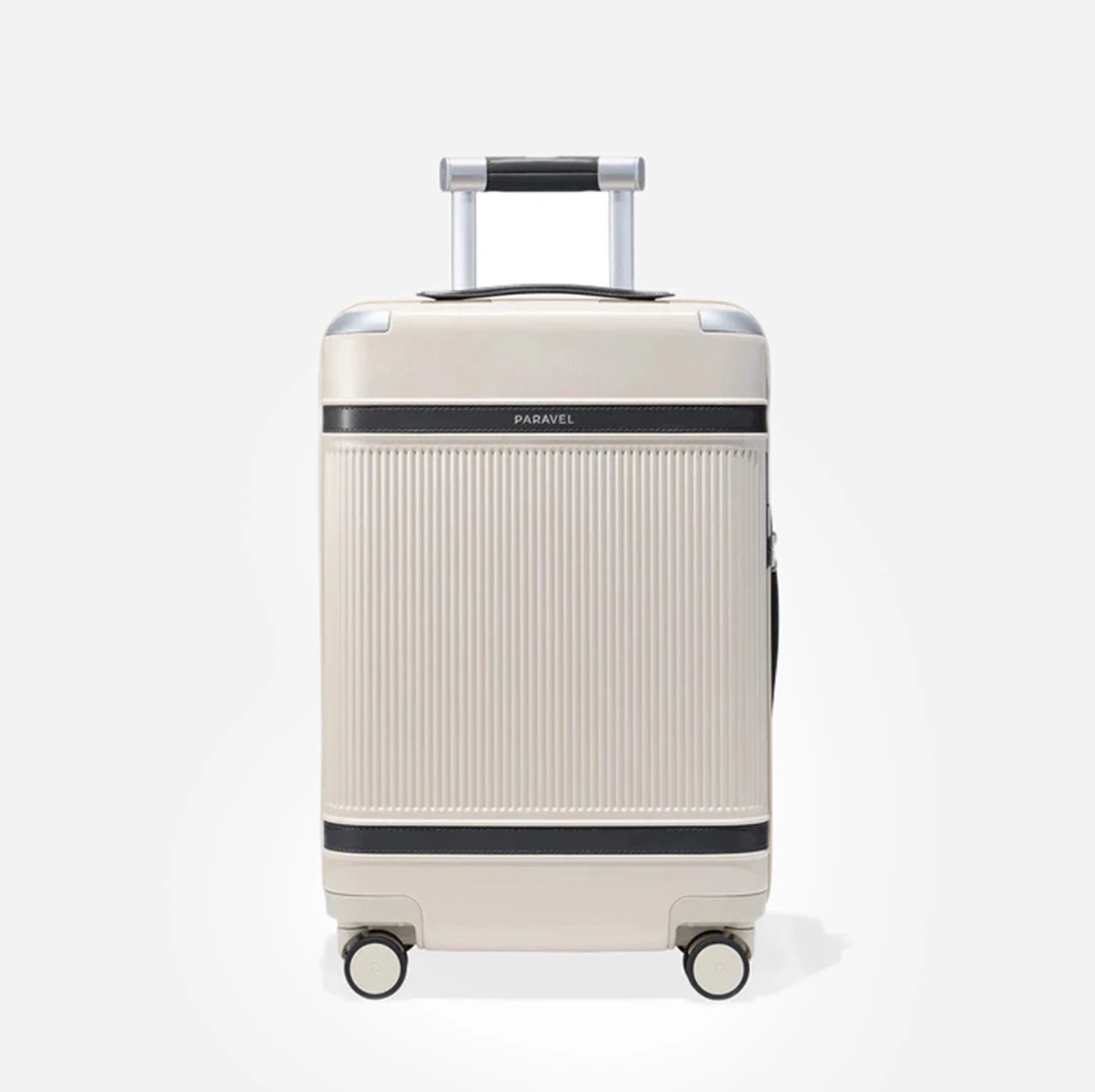
Aviator Carry-On
Recycled Polycarbonate Shell
$395

How Paravel is revolutionizing the travel industry with eco-friendly materials, responsible manufacturing, and a vision for a more sustainable future.
In an age where climate change dominates headlines and environmental consciousness shapes consumer choices, the travel industry faces a critical question: how can we continue to explore our world without destroying it? Paravel has emerged as a leader in answering this question, demonstrating that sustainable travel goods can match and exceed conventional alternatives in quality, style, and functionality.
Paravel's approach to sustainability isn't superficial greenwashing or marketing spin. It's a fundamental commitment woven into every aspect of the company, from material sourcing to manufacturing processes, from shipping practices to corporate governance. This comprehensive approach has earned Paravel recognition as one of the most genuinely sustainable brands in the travel industry.
Understanding Paravel's sustainability initiatives requires looking at multiple interconnected elements: the materials they use, how products are made, how they reach customers, and how the company operates. Each element contributes to a larger picture of responsible business that benefits travelers, communities, and the planet.
The foundation of Paravel's sustainability story is its innovative use of recycled and upcycled materials. Rather than relying on virgin plastics and conventional fabrics, Paravel has pioneered the use of post-consumer and post-industrial waste materials in premium luggage construction.
The hard shells of Paravel's Aviator luggage collection are made from recycled polycarbonate. This material, sourced from post-industrial waste, undergoes a sophisticated recycling process that transforms it into high-performance luggage shells. The result is a material that's indistinguishable from virgin polycarbonate in terms of durability and appearance, but with a significantly smaller environmental footprint.
The recycled polycarbonate manufacturing process uses substantially less energy than virgin production and diverts plastic waste from landfills. Each Aviator suitcase represents materials that would otherwise contribute to the growing global plastic pollution crisis. Instead, they become durable travel companions designed to last for years.
Perhaps the most innovative aspect of Paravel's material story is the interior lining of their bags. This fabric is woven from fibers derived from upcycled plastic water bottles. The process involves collecting post-consumer bottles, cleaning them, and transforming them into polyester thread that's then woven into attractive, durable fabric.
Each Aviator Carry-On contains approximately 11 upcycled water bottles in its lining. Larger pieces use even more. Across Paravel's entire product line, this adds up to millions of bottles diverted from oceans and landfills. The upcycled fabric isn't a compromise - it's soft, attractive, and more durable than many conventional lining materials.
Paravel's commitment extends to components that might seem minor but add up across thousands of products. The brand uses recycled YKK zippers, which provide the smooth operation and reliability that YKK is known for while incorporating recycled materials. Hardware is carefully selected to minimize environmental impact without sacrificing durability or aesthetics.
Sustainability at Paravel extends beyond materials to encompass the entire product lifecycle, including how goods reach customers. The company has achieved carbon neutral shipping, ensuring that the environmental impact of transportation is addressed and offset.
Paravel works with environmental partners to accurately measure the carbon emissions associated with shipping products to customers. This includes emissions from warehouse operations, packaging materials, and transportation via ground and air carriers. The company continuously seeks ways to reduce these emissions through optimized shipping routes, consolidated shipments, and selection of lower-emission carriers where possible.
For emissions that cannot be eliminated, Paravel invests in verified carbon offset projects. These programs support initiatives like reforestation, renewable energy development, and methane capture that remove carbon from the atmosphere or prevent new emissions. The offsets are carefully vetted to ensure they deliver genuine environmental benefits rather than merely shifting problems elsewhere.
Paravel has redesigned its packaging to minimize waste. Products arrive in recyclable packaging that uses minimal materials while still providing adequate protection. Unnecessary plastic bags, excessive tissue paper, and superfluous packaging elements have been eliminated. What remains is thoughtfully designed to communicate the brand's premium positioning while aligning with its environmental values.
Paravel's sustainability claims aren't just marketing assertions - they're verified by B Lab, the nonprofit organization that certifies B Corporations. This certification represents one of the most rigorous assessments of corporate social and environmental responsibility available.
To become a certified B Corporation, companies must meet comprehensive standards in five key areas: governance, workers, community, environment, and customers. The assessment examines everything from supply chain practices to employee benefits to environmental impact. Companies must score above a threshold and undergo verification to ensure their claims are accurate.
B Corps are legally required to consider the impact of their decisions on all stakeholders, not just shareholders. This represents a fundamental shift from traditional corporate priorities and ensures that environmental and social concerns remain central to business operations even as companies grow and face competitive pressures.
B Corp certification isn't a one-time achievement - it requires ongoing verification and continuous improvement. Companies must recertify every three years, demonstrating that they've maintained or improved their performance. This accountability mechanism ensures that certification remains meaningful and that companies don't rest on their laurels after initial certification.
Paravel's sustainability thinking extends beyond individual products to embrace circular economy principles. The goal is to create products and systems that minimize waste and keep materials in productive use for as long as possible.
The most sustainable product is one that doesn't need to be replaced. Paravel designs its products to last for years of regular use, using durable materials and construction methods that withstand the rigors of travel. This approach reduces the environmental impact per use, as the resources invested in creating each product are amortized over many trips.
Quality isn't just about materials - it's about thoughtful design that anticipates how products will be used. Paravel's team studies traveler behavior to identify stress points and potential failure modes, then engineers solutions that address these challenges before they become problems.
When products do experience wear, Paravel encourages repair rather than replacement. The brand designs products to be serviceable, with components that can be replaced without discarding the entire item. Customer service includes guidance on care and maintenance that helps extend product life.
Paravel recognizes that sustainability requires more than corporate action - it requires informed consumers who understand the impact of their choices and can make decisions aligned with their values.
The company is transparent about its supply chain, sharing information about where materials come from and how products are made. This visibility enables consumers to make informed decisions and holds Paravel accountable for its practices. It also encourages other brands to improve their own transparency.
Through its website, social media, and packaging, Paravel educates consumers about sustainable travel practices. This includes information about the environmental impact of different choices, tips for traveling more responsibly, and explanations of why sustainability matters. The goal is to create not just customers but advocates who spread awareness in their communities.
Paravel's sustainability efforts matter not just for their direct impact but for their potential to transform the broader travel goods industry. As Paravel demonstrates that sustainable products can succeed commercially, it encourages competitors to raise their own standards.
Consumer interest in sustainable products has grown dramatically in recent years. Brands that ignore this shift risk losing market share to more responsible alternatives. Paravel's success creates competitive pressure that pushes the entire industry toward better practices, even among companies that might not otherwise prioritize sustainability.
Paravel's investments in sustainable materials and processes generate knowledge that can benefit the broader industry. Innovations in recycled materials, manufacturing techniques, and supply chain management can be adopted or adapted by other companies, multiplying the environmental benefits.
Paravel is honest about the fact that sustainability is a journey, not a destination. The company acknowledges areas where improvement is still needed and commits to continuous progress.
The brand continues to research new sustainable materials and processes. This includes investigating bio-based plastics that could eventually replace petroleum-derived materials, exploring regenerative agriculture-sourced fabrics, and developing take-back and recycling programs for end-of-life products.
As Paravel grows, it seeks to expand the scope of its sustainability efforts. This includes deeper engagement with supply chain partners, exploration of renewable energy for operations, and development of programs that address the environmental impact of travel beyond luggage.
For travelers, choosing sustainable luggage is one way to reduce the environmental footprint of exploring the world. While individual choices may seem small, they add up across millions of travelers and send market signals that influence corporate behavior.
Sustainable travel goods also tend to be better products. The same attention to detail that goes into environmental responsibility translates into quality, durability, and thoughtful design. Travelers who choose Paravel get products that perform excellently while aligning with their values.
Finally, supporting sustainable brands like Paravel contributes to a vision of travel that can continue for generations. By demonstrating that responsible products can succeed, conscious consumers help build a future where environmental responsibility is the norm rather than the exception.
Learn more about Paravel's journey:
Read Our Brand Story Materials Deep Dive Sustainable Travel GuideUpcycled water bottles in each Aviator Carry-On lining
Carbon neutral shipping on all orders
Certified B Corporation meeting rigorous standards
Unnecessary plastic packaging in shipments
Every Paravel product embodies our commitment to the planet